US The US Economy Isn’t Crashing Yet… So Why Are Experts Warning About a 2026 Recession?
Everything Feels Fine… Until It Doesn’t
Everything looks normal right now.
People are still shopping. Restaurants are still full. Jobs are still being created. The stock market hasn’t collapsed.
On the surface, nothing feels broken.
But if you’ve been paying close attention… something doesn’t feel right.
It’s subtle. Quiet. Almost invisible.
A shift in behavior. A change in confidence. A slowing pulse beneath what once felt like unstoppable momentum.
And history has taught us something dangerous:
Recessions don’t start when everyone is scared.
They start when most people still feel safe.
That’s what makes this moment so important.
Because the real question isn’t:
“Is the US economy in a recession today?”
The real question is:
👉 Are we already entering one without realizing it?
—
📊 The Data Looks Stable… But the Trend Tells a Different Story
Let’s start with the numbers — because numbers don’t lie.
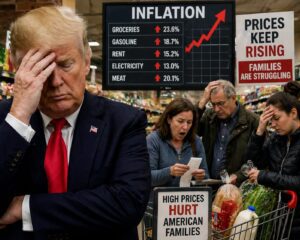
– GDP growth: ~0.7% (Q4 2025)
– Inflation (CPI): ~3.3% (March 2026)
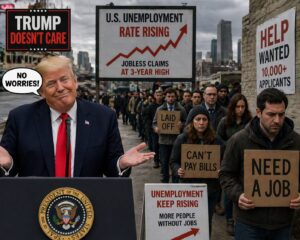
– Unemployment: ~4.3%
– Consumer spending: +0.5%
At first glance, this doesn’t look like a crisis.
No collapse. No panic. No obvious red flags.
But here’s the problem:
👉 Recessions don’t announce themselves. They build quietly.
What’s Really Happening Beneath the Surface
– Growth isn’t accelerating — it’s slowing
– Inflation isn’t gone — it’s lingering
– Jobs aren’t booming — they’re weakening
– Spending isn’t strong — it’s fragile
This combination has a name that economists know very well:
👉 Pre-Recession Environment
It’s the phase right before things break.
—
⚠️ The Silent Pressure Building Inside the Economy
Most people expect a recession to look dramatic.
But in reality, it starts with pressure.
Slow, steady, invisible pressure.
1. High Interest Rates Are Quietly Slowing Everything Down
The Federal Reserve has kept interest rates around 3.5%–3.75%.
That may not sound extreme — but its effects ripple through everything.
– Borrowing becomes expensive
– Businesses delay expansion
– Housing demand weakens
– Consumers reduce spending
This doesn’t crash the economy overnight.
It slowly squeezes it.
Like turning down the oxygen in a room… without anyone noticing immediately.
—
2. The American Consumer Is Starting to Pull Back
The US economy runs on one thing:
👉 Spending
But now:
– Credit card debt is rising
– Savings are shrinking
– People are becoming cautious
They’re not panicking.
They’re adjusting.
And that’s how downturns begin — not with fear, but with hesitation.
—
3. The Job Market Is Sending Early Warnings
There’s no major collapse in jobs.
But look closer:
– Hiring is slowing
– Layoffs are increasing quietly
– Companies are becoming cautious
Businesses don’t cut jobs randomly.
They do it when they see something coming.
🏦 The Federal Reserve’s Impossible Dilemma
The Federal Reserve is now stuck in one of the hardest positions possible.
If they keep interest rates high:
👉 The economy slows further
If they cut rates:
👉 Inflation could rise again
There is no easy solution.
And that’s where the real danger lies.
—
💣 The Risk of Stagflation
This is the scenario economists fear the most.
👉 Stagflation
– Slow growth
– High inflation
– Weak job market
It’s rare. It’s painful. And it’s extremely hard to fix.
—
📉 The Stock Market Is Already Whispering the Truth
Markets don’t wait for confirmation.
They react before the news becomes obvious.
– S&P 500: down ~4–7%
– Nasdaq: volatile
This isn’t panic.
It’s caution.
👉 Smart money moves first.
—
🌍 External Shocks That Could Push the Economy Over the Edge
Sometimes, it’s not internal weakness that causes a recession.
It’s a trigger.
🛢️ Oil Prices
– Current: $100–120
– Risk: $130+
If oil spikes:
– Inflation rises
– Costs increase
– Growth slows faster
—
US–China Tensions
Trade tensions are building again.
This means:
– Supply chain disruptions
– Higher production costs
– Slower global growth
—
🌍 Geopolitical Uncertainty
Wars and instability create fear.
And fear slows investment, spending, and growth.
🧠 Experts Don’t Agree — And That’s the Real Signal
– Moody’s: ~45% recession risk
– Goldman Sachs: ~30%
– JPMorgan: ~35%
No clear answer.
And that’s exactly what happens before major turning points.
—
📜 What History Tells Us (2008 vs 2020 vs 2026)
2008 Financial Crisis
– Debt-driven collapse
– Housing market crash
– Massive unemployment
2020 Pandemic Crash
– Sudden shock
– Rapid recovery
– Government intervention
2026 (Current Situation)
– Slow buildup
– Multiple pressure points
– No single trigger
👉 This is what makes it unpredictable.
—
💰 What This Means for Investors
Not all assets behave the same in a downturn.
🟢 Defensive Sectors
– Utilities
– Healthcare
– Consumer staples
These survive because people still need essentials.
—
🔴 High-Risk Sectors
– Tech
– Housing
– Consumer discretionary
These fall hardest when spending slows.
—
🪙 Crypto: Opportunity or Trap?
Crypto behaves like a high-risk asset.
– Early recession → sharp drops
– Later → strong recovery
👉 Strategy:
– Keep exposure low
– Think long-term
—
🛡️ Safe Havens in Uncertain Times
Gold
– Rises during fear
– Protects value
Bonds
– Stable returns
– Lower volatility
—
⚡ How Smart Investors Prepare
Short-Term
– Increase cash reserves
– Reduce risk
– Focus on stability
—
Long-Term
– Stay invested
– Buy quality assets
– Avoid panic
—
🔮 What Happens Next?
Best Case (Soft Landing)
– Growth stabilizes
– Inflation controlled
– No major shocks
—
Worst Case (Recession)
– Oil spikes
– Jobs decline
– Growth turns negative
—
🧠 Final Verdict
The US economy is not crashing today.
But it is under pressure.
👉 Recession probability: 35%–45%
—
🔥 Final Thought
Recessions don’t begin with panic.
They begin with silence.
And by the time the noise starts…
It’s already too late to prepare.
—
❓ FAQ
Will the US economy crash in 2026?
Not confirmed, but risks are rising.
Should I sell my investments?
No — focus on strategy, not fear.
Is this like 2008?
Not exactly — but risks exist.
Where should investors focus?
Defensive sectors, gold, and diversified assets.
1 thought on “Everything Looks Fine… So Why Experts Fear a 2026 Crash us stocks”