Iran Israel Ceasefire 2026: Impact on US Stocks, Oil Prices & Global Economy
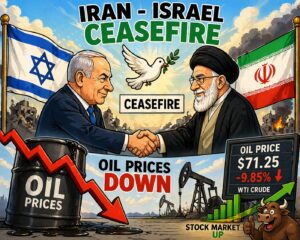
The War May Be Paused… But the Real Game Has Just Begun
you know Iran Israel Ceasefire Impact . The missiles may have stopped. The headlines may have softened. And for a moment, the world feels like it can breathe again.
But here’s the truth no one is telling you:
Ceasefires don’t end financial wars — they start them.
Behind every temporary peace agreement lies a massive shift in global money flow. Billions — sometimes trillions — of dollars quietly reposition themselves. Smart investors don’t celebrate peace… they prepare for what comes next.
And right now, if you understand what this Iran–Israel ceasefire really means, you’re looking at one of the most powerful wealth-building windows of the decade.
This isn’t just geopolitics.
This is money, markets, power — and timing.
🌍 What Happened in the Iran–Israel Conflict — And Why It Matters More Than You Think Iran Israel Ceasefire
The Iran–Israel conflict wasn’t just another regional tension. It was a global economic trigger.
Within weeks of escalation:
– Oil prices surged toward $100
– Shipping routes became uncertain
– Global markets reacted with fear
– Inflation pressures intensified worldwide
For the U.S., this wasn’t just foreign policy — it was economic risk management.
Now with a ceasefire in place, markets are reacting — but not randomly.
They’re repositioning.
📉 Immediate Market Reaction After Ceasefire — The First Signal
When a ceasefire is announced, markets move fast — sometimes irrationally fast.
What we’ve already seen:
– Oil prices dropping sharply
– Stock markets rallying globally
– Gold losing momentum
– Risk appetite returning
Why?
Because uncertainty is the biggest enemy of markets.
When uncertainty drops, money flows back into:
– Stocks
– Growth sectors
– Emerging markets
This is called a “risk-on environment.”
And historically, this is where real money is made.
🛢️ Oil Prices After Ceasefire — The Heartbeat of the Global Economy
If you want to understand everything… start with oil.
During the war:
– Supply fears drove prices up
– Shipping risks increased costs
– Energy inflation hit global economies
Now with ceasefire:
– Supply stabilizes
– Prices correct downward
– Inflation pressure eases
Why this matters for the U.S.:
Lower oil prices mean:
– Lower fuel costs
– Reduced inflation
– More consumer spending
– Better corporate margins
In simple terms:
Cheaper oil = stronger economy
And when the economy strengthens, the stock market doesn’t just go up… it accelerates.
📊 Sector Winners and Losers After Ceasefire
This is where most people lose money — because they don’t understand sector rotation.
When global conditions change, money doesn’t just enter the market —
it moves between sectors.
🟢 Winners of a Iran Israel Ceasefire Economy
1. Aviation & Travel
Fuel is one of the biggest costs.
When oil drops:
– Profit margins expand instantly
– Travel demand rises
– Airlines rally hard
This is often one of the fastest-moving sectors post-ceasefire.
2. Consumer Goods (FMCG)
Lower logistics + lower raw material cost = higher profits.
Companies suddenly:
– Spend less
– Earn more
– Expand margins
This creates steady stock growth.
3. Technology (Especially U.S. Tech)
When global tension drops:
– Businesses invest more
– Tech spending increases
– Innovation cycles accelerate
Big tech thrives in stability.
4. Banking & Financials
Confidence returns → borrowing increases.
Banks benefit from:
– Increased lending
– Higher transaction volumes
– Stronger economic activity
This sector becomes the backbone of a bullish market.
5. Automotive Industry
Lower fuel cost = higher demand.
Consumers feel confident:
– More car purchases
– More financing
– More production
🔴 Losers of a Ceasefire
1. Oil & Energy Stocks (Short Term)
Lower oil prices = reduced margins.
These stocks often correct before stabilizing.
2. Defense Sector
War drives demand. Peace reduces urgency.
Expect:
– Slower growth
– Reduced investor excitement
3. Gold
Gold thrives on fear.
When fear drops:
– Demand decreases
– Prices soften
Impact on the US Economy After Iran Israel Ceasefire
The United States stands to gain massively from a stable Middle East.
Key Benefits:
– Lower inflation pressure
– Increased consumer confidence
– Stronger GDP growth potential
– Better Federal Reserve flexibility
This opens the door for:
– Interest rate cuts
– Stock market expansion
– Higher liquidity
And when liquidity increases…
Markets don’t just rise — they surge.
🌏 Global Economic Shift After Middle East Stability
This ceasefire isn’t just about stopping war.
It’s about reshaping global economic influence.
Key shifts:
– Emerging markets attract capital
– Supply chains stabilize
– Trade routes normalize
Countries like:
– India
– China
– Southeast Asia
…become key beneficiaries.
But make no mistake:
Wall Street remains the command center of global money flow.
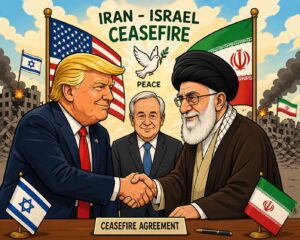
📉 Investor Mistakes to Avoid After Ceasefire
Here’s the biggest mistake:
👉 Buying at the peak of the news rally.
When ceasefire news hits:
– Markets spike quickly
– Retail investors rush in
– Prices temporarily inflate
Smart money?
They wait.
They watch.
They enter during:
– Pullbacks
– Corrections
– Consolidation phases
Because real wealth is built in patience, not panic.
💰 Best Investment Strategy After Ceasefire (Step-by-Step)
If you’re serious about capitalizing on this moment, here’s your roadmap:
Step 1: Don’t Chase the First Rally
Let the market settle.
Step 2: Watch Oil Prices
They will dictate the next move.
Step 3: Enter in Phases
– 30% capital initially
– 30% on dip
– 40% after confirmation
Step 4: Focus on Strong Sectors
– Banking
– Tech
– Consumer
– Auto
Step 5: Keep Cash Ready
Opportunities appear during volatility.
🔮 Future Market Scenarios After Iran Israel Ceasefire
🟢 Best Case
– Ceasefire holds
– Oil stabilizes
– Markets rally strongly
🟡 Neutral Case
– Tension continues
– Markets move sideways
🔴 Worst Case
– Ceasefire breaks
– Oil spikes again
– Markets crash
Smart investors prepare for all three — not just one.
📊 Is This the Right Time to Invest After Ceasefire?
The honest answer?
👉 Yes — but not blindly.
This is a setup phase, not a peak.
If you:
– Stay patient
– Follow data
– Avoid emotional decisions
You can position yourself ahead of the crowd.
🧠 The Psychological Edge in Stock Market Investing
Markets are not driven by logic alone.
They are driven by:
– Fear
– Greed
– Timing
Right now:
– Fear is fading
– Greed is building
– Opportunity is forming
The question is:
Will you act early… or react late?
💡 Final Reality Check
Let’s be clear.
A ceasefire is not peace.
It’s a pause.
And pauses in global conflict often lead to:
– Sudden reversals
– Unexpected shocks
– Volatility spikes
Which means:
👉 Opportunity + Risk = Same coin
🏁 Conclusion: The Window Is Open — But Not Forever
The Iran–Israel ceasefire has created a rare moment in global markets.
– Oil is stabilizing
– Inflation pressure is easing
– Investor confidence is returning
This is where trends begin.
This is where wealth is positioned.
And this is where:
Average investors hesitate…
but smart investors act.
❓ FAQ: Iran Israel Ceasefire & Stock Market Impact
Q1: Will gold crash after ceasefire?
Not crash, but likely decline or stay weak short term.
Q2: Is this a long-term bull market signal?
If stability continues — yes.
Q3: Which sector is safest?
Banking + consumer sectors.
Q4: Should beginners invest now?
Yes, but in phases — not all at once.
🔥 Final Line
Wars create fear.
Ceasefires create opportunity.
But only discipline creates wealth.
New artical
A Global Power Shift Has Started – What Smart Investors Know That You Don’t
1 thought on “Iran–Israel Ceasefire 2026: The Hidden Money Shift”